
ENplus A1 Wood Pellets in Europe: Best Places to Buy for Business Use
For businesses across Europe, securing a steady supply of high-quality wood pellets is no longer optional. Rising energy costs, stricter environmental regulations, and increasing demand for renewable heating have made wood pellets a core fuel choice for commercial heating systems, industrial boilers, distributors, and resellers. Where to Buy Wood Pellets Europe from Enwood Sp.
The real challenge today is not deciding whether to use wood pellets, but finding a supplier that can consistently deliver ENplus A1 Grade A pellets in large volumes. Reliability, quality, and long-term availability are what protect both operational performance and profit margins.
This guide is written specifically for business buyers, not residential customers. If you are sourcing pellets for resale, large facilities, logistics operations, or long-term supply contracts, understanding how the European pellet market works is essential.
Why ENplus A1 Grade A Matters for Businesses – Where to Buy Wood Pellets Europe
Quality differences between wood pellets become visible very quickly in commercial use. ENplus A1 Grade A pellets are produced under the strictest European certification scheme, ensuring:
• Low ash content (≤ 0.7%)
• Controlled moisture levels
• High calorific value
• Consistent pellet size and density
• Clean combustion with minimal maintenance issues
For businesses, this means predictable system performance, fewer breakdowns, lower cleaning and servicing costs, and compliance with environmental and insurance requirements. Many commercial and industrial boiler manufacturers require ENplus A1 certification to maintain warranty coverage.
Uncertified or mixed-grade pellets may appear cheaper at first, but they often lead to higher long-term costs due to inefficient burning, increased downtime, and equipment damage.
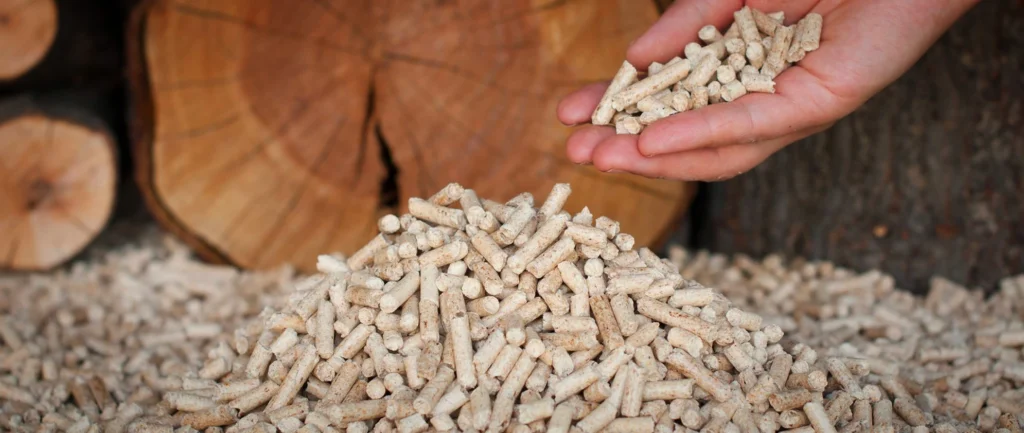
How the European Wood Pellet Supply Chain Works
Knowing where to buy wood pellets in Europe starts with understanding how the supply chain is structured.
Producers
Most ENplus A1 Grade A pellets are produced in countries with strong forestry industries, including Poland, Latvia, Lithuania, Estonia, Austria, and Germany. These producers focus on high-volume manufacturing and export across the EU.
Exporters and Wholesalers
Many producers do not sell directly to end users. Instead, they work with exporters and wholesale distributors who manage:
• Quality control
• Certification documentation
• Bulk logistics
• Cross-border compliance
For business buyers, working with a wholesaler reduces administrative risk and simplifies procurement.
Retailers vs Bulk Suppliers
Retail pellet sellers usually serve households with small pallet quantities. Businesses, however, typically require:
• Full truckloads
• Bulk loose deliveries
• Long-term supply contracts
• Stable pricing agreements
Identifying suppliers that specialize in B2B supply is critical.
Where Businesses Buy Wood Pellets in Europe
1. Directly from Certified European Suppliers
For commercial buyers, purchasing directly from certified European suppliers specializing in ENplus A1 Grade A pellets is often the most reliable option. This ensures:
• Verified certification
• Traceable production batches
• Consistent technical specifications
• Export-ready documentation
Companies such as ENWOOD SP operate specifically within this professional supply segment, serving commercial and wholesale buyers across Europe with structured logistics and certified products.
2. Wholesale Exporters Serving Multiple EU Markets
Wholesale exporters are well suited for businesses operating in multiple countries or requiring regular shipments. These suppliers typically offer:
• Full truckload (FTL) or container quantities
• Flexible packaging (15 kg bags, big bags, or bulk)
• Seasonal supply contracts
• Stable pricing frameworks
This route is commonly used by distributors, heating companies, and industrial users. Where to Buy Wood Pellets Europe
3. Buying Wood Pellets Online for Business Orders
Online sourcing has grown rapidly in Europe, even for bulk pellet purchases. However, business buyers should be cautious. A professional supplier will:
• Clearly display ENplus A1 certification numbers
• Provide technical data sheets
• Offer transparent logistics terms
• Support B2B contracts and invoicing
If these elements are missing, the supplier is likely retail-focused or unsuitable for commercial needs.
4. Local Distributors vs Cross-Border Supply
Some businesses prefer local distributors for faster delivery, while others choose cross-border suppliers for better pricing and availability. Both approaches work, but cross-border supply often provides:
• Access to large-scale producers
• More stable long-term availability
• Competitive wholesale pricing
When documentation is handled correctly, EU trade regulations make cross-border sourcing straightforward. Understanding ISO Standards and Certifications
What to Check Before Buying Wood Pellets
Before committing to ENplus A1 Grade A pellets, business buyers should always verify the following:
Certification Authenticity
Request:
• ENplus ID number
• Manufacturer name
Certificates should be verifiable through official ENplus channels.
Packaging and Storage
Choosing the right format is essential:
• 15 kg bags for resale or controlled use
• Big bags for commercial facilities
• Bulk delivery for industrial boilers
Poor packaging leads to moisture absorption, pellet degradation, and financial loss. Finally found answers to Where to Buy Wood Pellets Europe.
Ash and Moisture Levels
Low moisture ensures efficiency. Low ash reduces maintenance costs. Both are non-negotiable for professional use. Certified wood pellets for business
Logistics and Delivery Terms
Clarify:
• Incoterms (EXW, FCA, DAP, etc.)
• Delivery timelines
• Minimum order quantities
• Seasonal availability
Reliable suppliers allocate stock in advance, especially for winter demand. Learn more about fuel pellets.
Common Buying Mistakes Businesses Should Avoid
Even experienced buyers make avoidable mistakes, such as:
• Choosing price over certification
• Purchasing mixed-grade pellets unknowingly
• Working with suppliers who cannot guarantee volume
• Ignoring proper storage conditions
• Failing to secure contracts before peak season
Avoiding these errors protects both continuity and margins.
When Is the Best Time to Buy Wood Pellets?
Timing plays a major role in pricing and availability:
• Spring and early summer typically offer the best conditions
• Late autumn and winter bring supply pressure and price volatility
• Long-term contracts reduce exposure to seasonal spikes
Advance planning remains one of the most effective cost-control strategies.
Final Thoughts: Supplier Choice Matters
Buying wood pellets in Europe is not just about finding a seller. It is about choosing a certified, reliable, and business-focused supplier that understands volume requirements, logistics, and quality control.
For companies relying on ENplus A1 Grade A pellets, the right supplier ensures consistent supply, stable performance, and long-term confidence in their energy strategy. In commercial heating, the supplier is just as important as the fuel itself. Looking for Where to Buy Wood Pellets Europe ? you can get bulk wood pellets in Europe here
FAQ: Where to Buy Wood Pellets in Europe
1.Where can businesses buy wood pellets in Europe?
- Businesses can buy wood pellets from certified European suppliers, wholesalers, and exporters that specialize in ENplus A1 Grade A pellets and bulk delivery across EU markets.
2.What is ENplus A1 Grade A wood pellets?
- ENplus A1 Grade A is the highest European quality standard for wood pellets, ensuring low ash content, low moisture, high energy output, and consistent performance.
3.Is it better to buy wood pellets directly from suppliers?
- Yes. Buying directly from certified suppliers reduces quality risks, ensures traceable certification, and provides better pricing and volume reliability for business buyers.
4.When is the best time to buy wood pellets in Europe?
- Spring and early summer are typically the best times to buy, as prices are more stable and availability is higher before peak heating demand.