
How Are Wood Pellets Made? A Step-by-Step Look by Enwood SP
Wood pellets have quietly become a popular way to heat homes and run factories. They are small, work well, and are good for the planet. But have you ever thought about how are wood pellets made? Everyone should know how this simple but powerful fuel works, according to Enwood SP. Let’s take a closer look.
Choosing the Right Wood
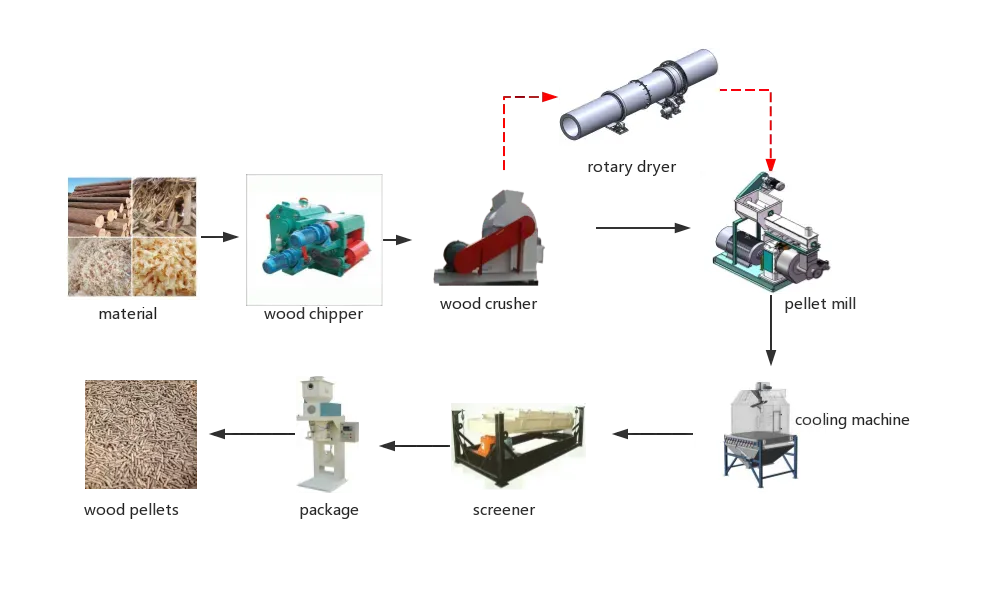
The first step in making wood pellets is to get raw wood. But not every kind of wood will work. Most pellets are made from sawdust, wood chips, or leftover wood from sawmills. This is a smart way to do things because it saves wood that would have been thrown away and gives it a new life.
People like softwoods like pine, spruce, and fir because they burn hot. Hardwoods, such as oak or beech, burn longer and leave less ash. At Enwood SP, we only use the best wood, so every pellet you buy works exactly as it should.
Drying the Wood
Wood that hasn’t been cut yet can have a lot of water in it, sometimes as much as half of its weight. To make strong, useful pellets, you need to get rid of that moisture. Industrial dryers lower the wood’s moisture content from 30% to 50% to about 10%. How Are Wood Pellets Made by Enwood Sp.
How Are Wood Pellets Made? Everything You Need to Know
Why is this significant? When pellets get too wet, they break apart, burn less well, and make more smoke. But dry wood always burns hot and clean.
Breaking into Small Pieces
After the wood has dried, it is ground into small, even pieces. You can think of it as making fine flour out of wood. This makes sure that the next step will compress the pellets evenly. Learn more about the fundamentals of wood pellet manufacturing, including equipment and stages of the process.
Machines called hammer mills do most of the work. If the pieces aren’t the same size, the pellets can break easily or burn in a way that isn’t even. A good pellet is one that has been ground well.
Pelletising: The Most Important Step
This is the point at which wood becomes a pellet. In a pellet mill, the ground wood is heated and pressed together.
Lignin is a natural part of wood that acts like glue and softens when it gets hot. You don’t need any chemicals because the wood sticks together on its own.
Most pellets are between 6 and 8 mm wide and 10 and 30 mm long. Enwood SP’s are thick and strong, so they won’t break when you move or store them.
Screening and Putting Together
Before the pellets are sent out in bulk or put on store shelves, they are screened to get rid of dust and broken pieces. It’s all about being consistent.
Then they are put in bags that people can use at home or businesses can buy in bulk. We check each bag of Enwood SP pellets carefully to make sure they work every time.
Chilling the Pellets
Pellets that are just made are hot and soft. They need to cool off. It makes the pellets harder so they can be moved and stored without breaking.
The cooling is done by big machines that cool the air. The goal is simple: make sure the pellets are set up right so they last a long time. For a broader understanding of what pellet fuel is and how it’s used, see the detailed Wikipedia article on pellet fuel.
Why it’s Important to Have Good Pellets
Now that you know how wood pellets are made, it’s easy to see why quality is so important. A good pellet:
Burns well and makes a lot of heat.
Doesn’t leave behind much ash or pollution.
Easy to move and put away.
Encourages the use of energy that is good for the environment.
All Enwood SP pellets meet the ENplus A1 standard, which means they are good for the environment, have little ash, and are high in energy.
Final Thoughts
Putting wood in a cylinder is not the only step in making wood pellets. It takes a lot of care to get the right wood, dry it, grind it, make pellets, cool them, and package them. Every step matters.
The next time you enjoy the warmth of a wood pellet stove, you’ll know how much care and skill went into making each pellet. Enwood SP is proud to sell products that are reliable, high-quality, and good for the environment. Contact us for more information.