
What do you need to make charcoal briquettes?
Many of us use charcoal briquettes without thinking about what goes into them. Briquettes are a reliable fuel for your grill, outdoor cooking with a brazier, or even a tiny stove. Natural lump charcoal comes from burned wood, however charcoal briquette are made to burn evenly, last longer, and sometimes even make less smoke. To really understand what makes them tick, you need to look at their ingredients.
We’ll talk about each part of a charcoal briquette in this post, why it’s there, and how it helps make these small blocks of fuel reliable and efficient. We’ll also talk about being eco-friendly and provide you an easy method if you want to make your own at home.
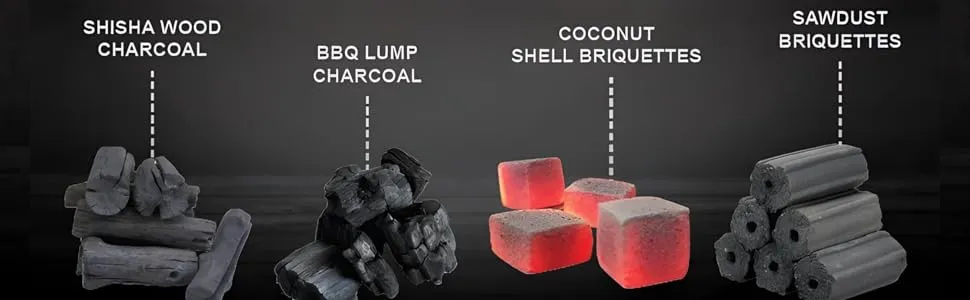
1. Charcoal Powder: The Briquette’s Main Ingredient
Charcoal powder is, of course, the main ingredient in every charcoal briquette. This is what really burns to produce heat. The charcoal is usually created from dense woods like oak, hickory, maple, or other types of hardwood. Hardwood is better since it burns longer and gives off continuous heat. Softwood, on the other hand, tends to burn quickly and unevenly.
Pyrolysis is the process that transforms wood into charcoal. In this technique, wood is roasted in an area with little oxygen, which removes moisture, sap, and other volatile chemicals. What is left is practically pure carbon, which burns clean and hot. After that, the charcoal is ground up into a fine powder that may be used to make briquettes.
Why not pieces instead of powder? Powder makes it easy to mix with binders and fillers evenly, which keeps the shape and density of the final briquette the same. This constancy is what makes sure that briquettes burn evenly, which is important for cooking food or heating a room without having to change them all the time.
2. Binders: Keeping It All Together
Just using charcoal powder isn’t enough. Without a binder, the powder would fall apart right away if you tried to mold it. This is where binders come in. Binders are what hold the briquette together. This makes it strong enough to handle and burn steadily after it is lighted.
Binders that are used a lot
Corn starch, tapioca starch, and cassava starch are all common types of starch. When starch is cooked, it turns into a gel that sticks the charcoal particles together.
Some companies add a little bit of clay to their products. Clay not only holds things together, but it also makes them heavier and denser, which slows the burn and makes the briquette last longer.
Sugar or Molasses: Sometimes, a little bit of sugar or molasses is added. These aid with binding and can somewhat raise the heat output as they burn.
Binders are usually only 5% to 10% of the mixture, which is just enough to give it structure without changing how it burns too much.
3. Fillers: How to Make Briquettes Useful and Cheap
Many briquettes have additives in addition to charcoal powder and a binder. Most of the time, fillers are things that don’t burn or burn slowly that fill in the spaces between charcoal particles. They help the fire burn better, lower the expense, and make the briquette easier to use.
Common Fillers
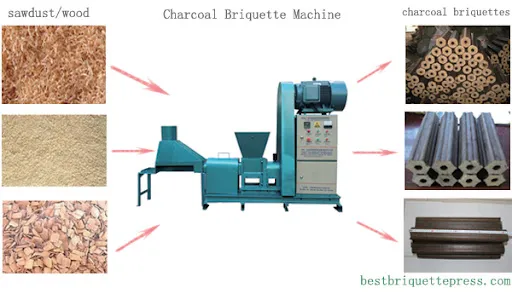
Sawdust is cheap, plentiful, and burns well. It is often a byproduct of woodworking. It’s great for filling in gaps and making the texture even.
Wood chips or shavings can help start a fire and keep it going.
Rice husks, peanut shells, corn cobs, or shredded paper can all be utilized as fillers for agricultural waste. These are environmentally beneficial choices that cut down on the requirement for pure hardwood, which makes the process more eco-friendly.
By adding fillers, manufacturers may make briquettes that are reliable, cheap, and effective, and they can also use materials that would otherwise be thrown away.
4. Combustion Enhancers: Making the Briquette Burn Better
Some briquettes have combustion enhancers, which are little things that make it easier to light the briquette or control how quickly it burns. These are very frequent in commercial briquettes that are made to light quickly and give off even heat.
Combustion Enhancers in Action
A small bit of borax or sodium nitrate can help start a fire and keep it going.
Limestone: Sometimes used to cut down on sparks or make acidic smoke less acidic.
Natural Oils: You can use coconut oil or other plant oils to help light briquettes without using chemical accelerants.
Even though these additives are small, they make a big difference in how the briquette works, especially for people who just want reliable and consistent fuel for grilling or cooking.
5. Water: The Unexpected Element
Water is not part of the combustion itself, but it is very important to the process of making it. Adding water makes the dough soft enough to be pressed into molds. Think of it like kneading dough: the combination requires just the right amount of moisture to stay together without being too wet.
After the briquette are shaped, they are dried completely, either in the sun or in special ovens. If they are overly wet, briquettes will smoke too much and burn unevenly. They break apart when you package or handle them if they are too dry. It is very important to get this mix right for good briquettes.
6. Optional Additives: Improving Look and Performance
Some companies add extra ingredients to make their products look better, make less smoke, or make them easier to light.
Activated Carbon: Can make the smell go away and make the heat a little stronger.
Coloring Agents: Make sure the black color is even and looks professional.
Natural oils or resins make it easier to light the briquette.
Briquettes that are high quality and suitable for cooking frequently don’t have any chemical additives. Instead, they use natural binders and fillers to keep the product safe.
7. How to Make Charcoal Briquette
It’s vital to know what the elements are, but knowing how they come together helps you understand why briquettes perform so well. Here’s a simpler way to look at the process of making things:
Crushing: The pieces of charcoal are pounded into a fine powder. Pieces that are too big are taken out.
Mixing: You mix charcoal powder, binders, fillers, and any optional additions. Adding water makes the mixture thick like dough.
Molding: The mixture is pushed into molds. Pillows, hexagons, and cylinders are all common shapes.
Drying: The briquettes are dried completely after they are manufactured to get rid of extra moisture. People often utilize sun-drying or controlled ovens.
Packaging: The dried briquettes are sorted so that they are all the same size and then put into boxes for sale.
Every step is meticulously planned so that the product burns evenly, lasts longer, and is easy to use.
8. Things to think about that are good for the environment
The substances you use can change how bad charcoal briquettes are for the environment. People today care more about sustainability, and manufacturers are making more eco-friendly products.
Hardwood for charcoal should come from forests that are managed in a way that is good for the environment.
Recycled Fillers: Sawdust, rice husks, and paper waste cut down on the need for new wood.
Natural Binders: Starch is safe to use with food and breaks down naturally, unlike some artificial binders.
Some businesses now sell briquettes that are 100% eco-friendly, meaning they don’t have any chemical additions and are created entirely from recycled or renewable resources. People love using these for barbecuing in the backyard and camping.
9. Making your own charcoal briquettes is a fun project.
Making briquettes at home is surprisingly easy and fun to learn about if you’re interested. You just need some easy-to-find materials, some time, and a safe place to dry them.
Things you need
Two parts of charcoal powder
One part starch, like corn, tapioca, or cassava
You can add sawdust, shredded paper, or rice husks to your mix.
Steps for Water
Mix the charcoal powder and starch together well.
If you’re using fillers, add them now, and then slowly add water until the mixture is easy to work with.
Put the mixture into molds or shape it with your hands.
Put the briquettes in the sun or a low-heat oven for 24 to 48 hours to dry them.
Your briquettes are ready to use once they are dry.
DIY briquettes might not be completely even, but they are a terrific opportunity to try out different materials, recycle trash, and learn how each one influences how well they burn.
10. Useful Tips for Picking Charcoal Briquette
Knowing what’s in briquettes can help you make better choices when you buy them:
Avoid Too Many Chemicals: When cooking, pick briquettes with natural binders and few extra chemicals.
Check for Fillers: Some fillers could make more ash. If you want less ash, seek for briquettes that are largely formed of charcoal powder.
Think about how long the briquettes will survive. Briquettes that are denser and include clay or starch binders tend to stay longer. Checkout our charcoal options available for wholesale.
Sustainable Options: Choose brands that employ recycled materials or hardwood that was responsibly sourced.
Final Thoughts
They are more than just fuel; they are a meticulously made product that gives forth steady, reliable heat. Each part has a specific job: charcoal powder gives energy, binders keep everything together, fillers make the texture better and the cost lower, and optional additives can make the burning better.
People may make smart choices about what to do with briquettes for a weekend BBQ, to heat their homes, or even for DIY projects if they know what’s in them. Also, thinking about eco-friendly solutions makes sure that this fuel is responsible and long-lasting as well.
When you light a briquette on your grill, take a moment to think about how science and craft work together to make it possible. Each briquette is a small technical marvel that brings heat, flavor, and convenience into your life. It is made of powdered hardwood and starch that binds it together.